
Common Mistakes When Buying Restaurant Kitchenware

Common Mistakes When Buying Restaurant Kitchenware
The biggest mistakes when buying restaurant kitchenware are choosing cheap products, using household-grade items, ignoring storage space, selecting the wrong materials, and buying without future stock planning. At ANJU Kitchenware & Gift Solution, we help F&B operators in Malaysia choose kitchenware that fits real daily service, not just the opening budget.
Buying kitchenware should support speed, safety, food presentation, washing routines, storage, and future replacement needs. A poor choice may look affordable at first, but it can create higher costs once the restaurant starts operating.
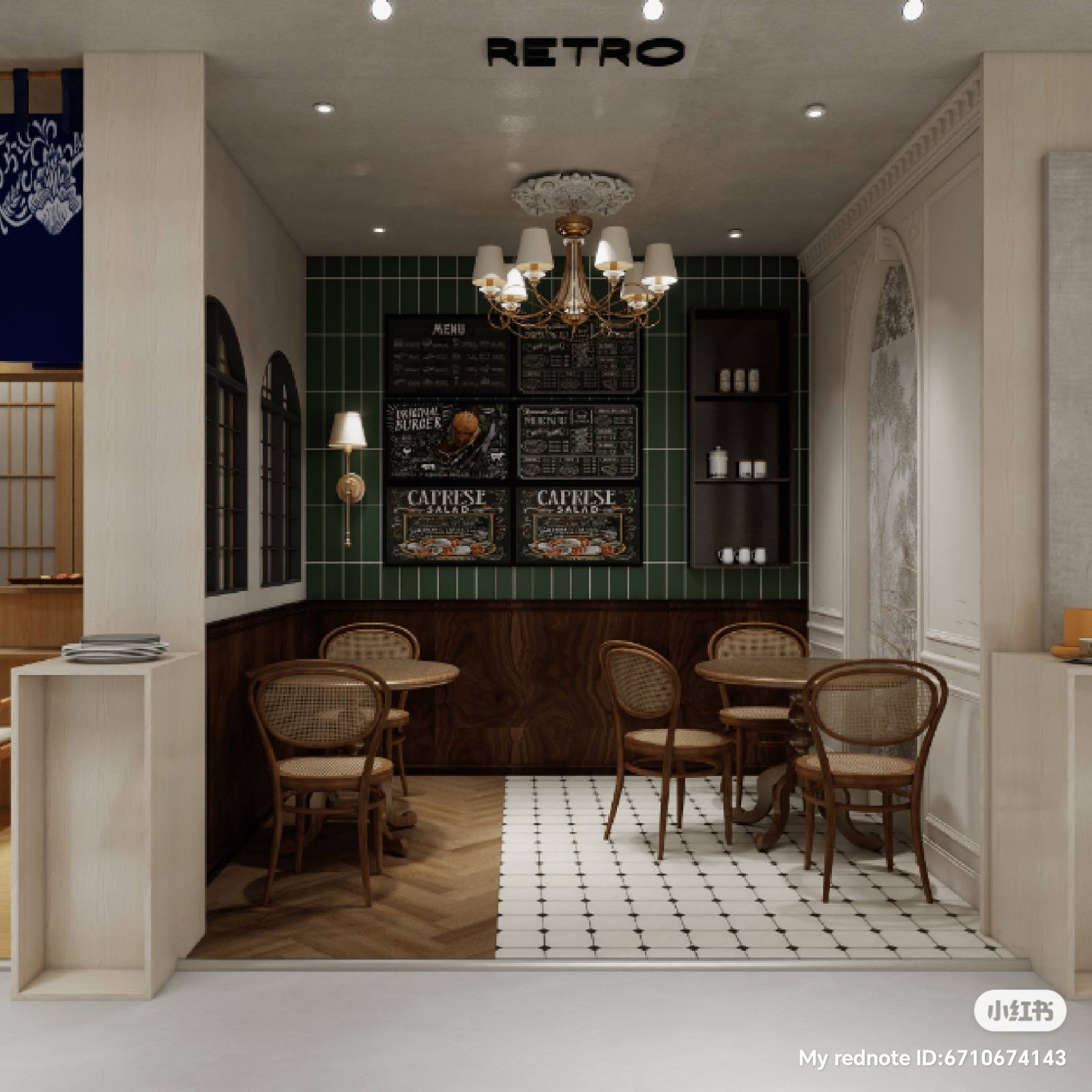
Quick Summary: Kitchenware Mistakes to Avoid
- Buying the cheapest option without checking lifespan
- Choosing household items for commercial use
- Forgetting kitchen layout and storage space
- Using the wrong material for the menu
- Ignoring tableware presentation
- Buying without future replacement planning
- Sourcing from too many suppliers
Real Restaurant Problems After Buying the Wrong Kitchenware
Many restaurant owners only notice kitchenware problems after daily operations begin. By then, replacement costs and staff frustration may already be happening.
Common issues we often see include:
- Plates that chip after repeated washing
- Cups that do not fit coffee machines or cup warmers
- Bowls that stack poorly in limited storage areas
- Trays that feel slippery during peak service
- Glasses that look nice but break too easily
- Mugs that are too large and slow down drink preparation
- Replacement stock that no longer matches the first batch
- Tableware styles that do not match the restaurant concept
These problems are avoidable when the buying decision is based on usage, material, storage, and long-term supply.
Mistake 1: Choosing Price Over Quality
Cheap kitchenware can become expensive when it needs frequent replacement. Low-quality items may stain, bend, chip, rust, or lose their finishing faster under daily use.
Common Buying Issue
Cheap stainless steel
May bend easily, stain faster, and have a shorter lifespan under repeated restaurant use.
Fragile bowls
May chip after frequent washing, stacking, and fast kitchen handling.
Low-cost cups only
May not suit drink portioning, washing routines, or outlet presentation.
Random tableware sets
May create an inconsistent dining look and make future replacement harder.
Better Choice
Choose durable kitchenware that supports daily operations, not only the lowest startup cost. Look for commercial-use steel, stackable restaurant-grade bowls, cups that match the menu, and tableware designs that can be reordered when needed.
For restaurants that need stable plate and bowl supply, our Plate & Bowls Supplies in Malaysia page is useful for practical F&B tableware sourcing.
Mistake 2: Buying Household Kitchenware for Restaurant Use
Household kitchenware is not always suitable for restaurant operations. It may look good for light use, but daily commercial service requires stronger handling, washing, stacking, and serving performance.
This matters most for high-use items such as plates, bowls, cups, trays, glassware, and bar tools. A café cup used hundreds of times a month must perform differently from a mug used at home.
As a kitchenware supplier, our team helps customers compare products based on actual business use, not only appearance.
Mistake 3: Ignoring Kitchen Workflow and Storage Space
Kitchenware should fit the space, not crowd it. A small kitchen with oversized trays, bulky bowls, or difficult-to-stack plates can slow down service during peak hours.
Many cafés choose oversized cups at first because they look premium, but later realize they take more space, affect drink portioning, and slow down preparation when the bar counter is busy.
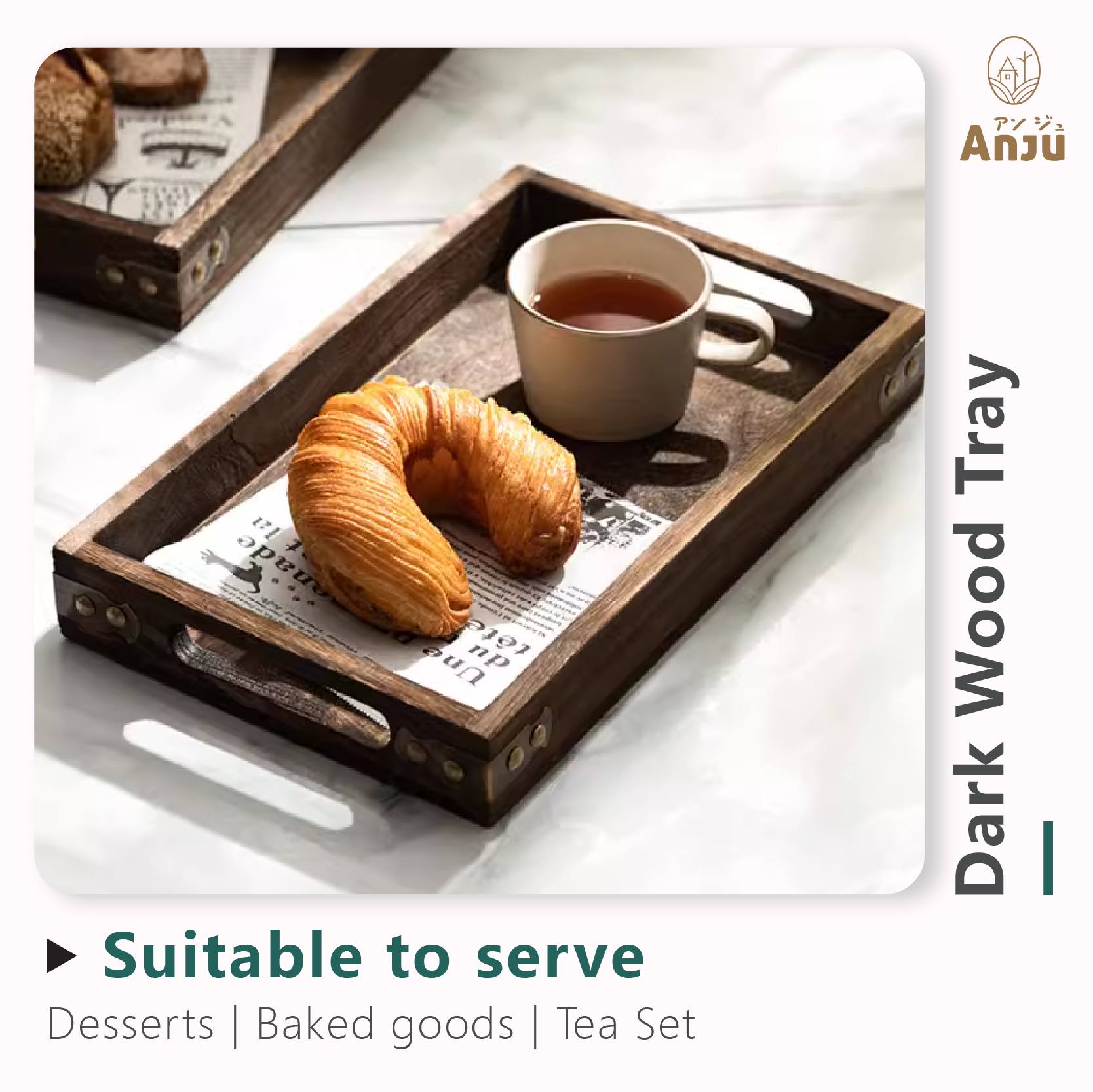
Before buying, check:
- Shelf height
- Washing area
- Counter space
- Staff movement
- Stacking method
- Serving flow
- Cup and tray access
For café owners planning a smoother bar setup, our Essential Barista Equipment for New Cafés in KL guide covers useful setup considerations.
Mistake 4: Choosing the Wrong Materials
Material choice affects durability, safety, washing, food presentation, and handling. The right material depends on the menu, service volume, outlet concept, and cleaning routine.
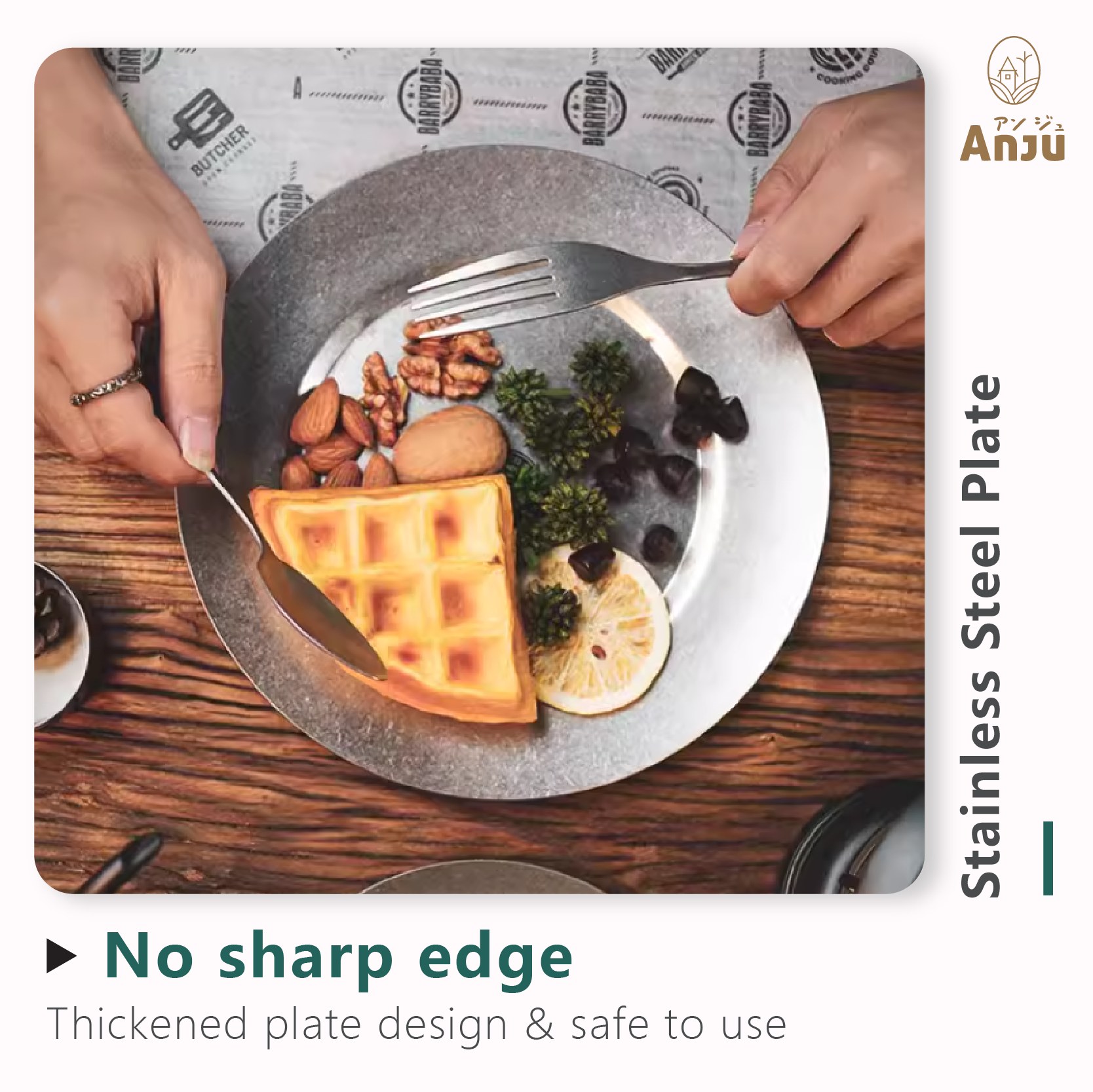
Common Material Mistakes
Thin stainless steel
May dent, bend, or lose shape faster in busy kitchens.
Fragile ceramic
May not be suitable for high-volume washing and stacking.
Unstable glassware
May look attractive but break more easily during fast service.
Oversized trays
May slow movement and create handling issues.
Wrong cup size
May affect beverage portioning, drink quality, and service speed.
Better Material Approach
Choose stronger stainless steel for repeated use, durable ceramic with good stacking, glassware matched to drink type, tray sizes that support service flow, and cups that fit the beverage menu.
For clean and reliable dining presentation, products such as the 5STAR White Ceramic Porcelain Bowl and 5STAR White Porcelain Oval Rim Dinner Plate are practical choices for restaurant use.
Mistake 5: Overlooking Brand Presentation
Kitchenware is part of the dining experience. Plates, bowls, cups, trays, and glassware affect how food looks in front of customers and in photos.
A restaurant may have good food, but mismatched tableware can make the overall presentation feel less polished. This is especially important for visual menu items such as coffee, desserts, brunch dishes, hotel dining sets, and plated meals.
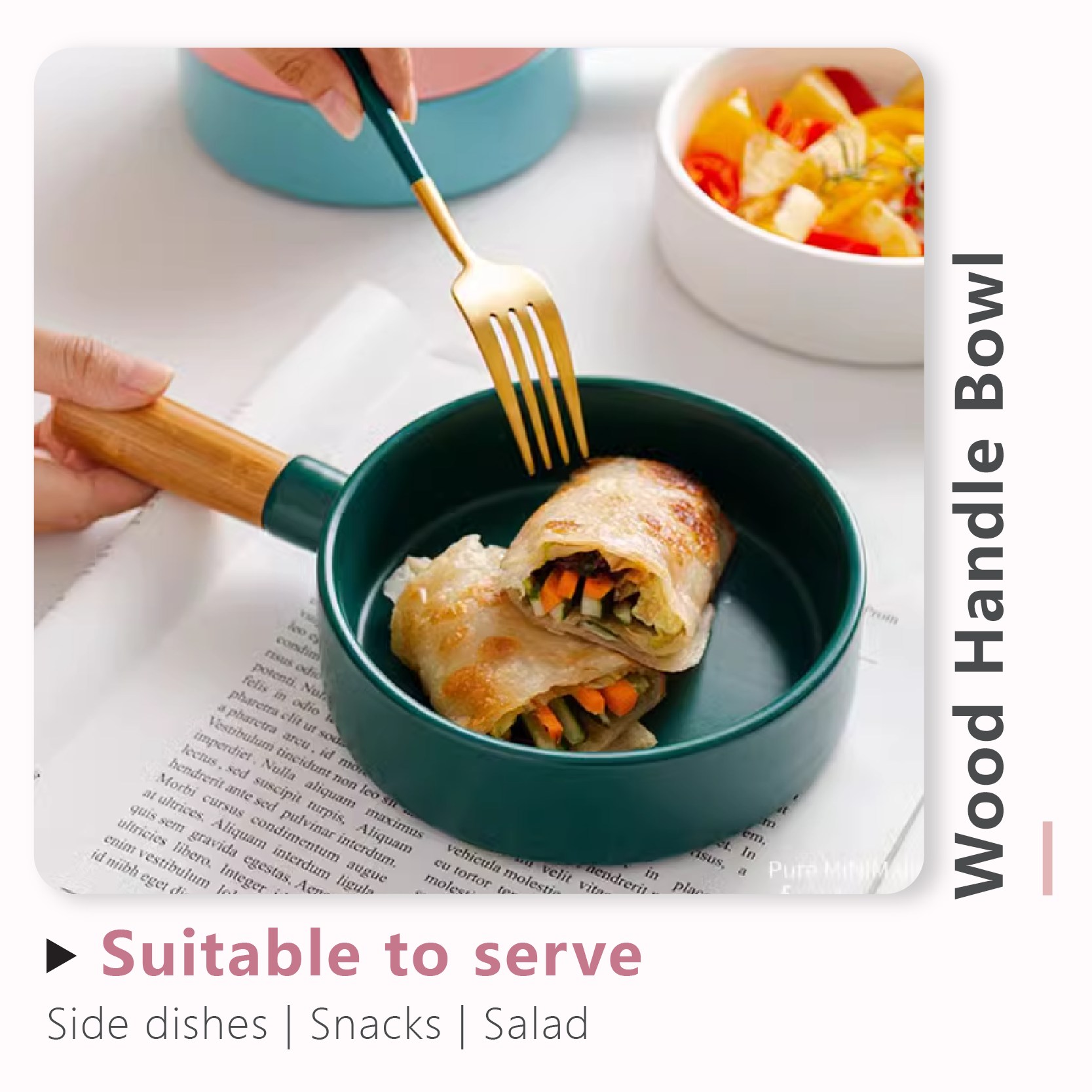
Good presentation starts with simple decisions:
- Match plate color with food style
- Choose cup sizes based on the drink menu
- Use trays that fit the outlet theme
- Keep bowl shapes consistent
- Avoid mixing too many unrelated designs
For businesses that want logo plates, café cups, bowls, glassware, trays, or gift items, our Customizable Tableware Malaysia service helps with branded dining solutions.
Mistake 6: Buying Without Future Scalability
Many new outlets buy only enough kitchenware for opening day. This becomes a problem when items break, the menu expands, or another branch opens.
The risk is inconsistency. If the same product is no longer available later, the restaurant may need to mix different designs.
A better buying plan considers:
- Backup stock
- Bulk order needs
- Repeat supply
- Matching replacements
- Future branch expansion
- Seasonal promotions
For broader product sourcing, our Restaurant Kitchenware Supplier Malaysia page covers kitchenware, glass cups, wooden trays, coffee sets, and restaurant supply options.
Mistake 7: Sourcing From Too Many Suppliers
Buying from many suppliers can make the setup look inconsistent. One plate may have a different white tone, one cup may feel heavier, and one bowl may not match the rest of the table setting.
It can also make reordering more difficult. When products come from different places, stock control, delivery timing, and replacement planning become harder to manage.
Working with a focused supplier helps reduce confusion and keeps the setup easier to maintain.
Simple Buying Framework: The ANJU Kitchenware Check
Before choosing restaurant kitchenware, we recommend checking five areas.
1. Use
Will this item handle daily service, repeated washing, and staff handling?
2. Space
Can it stack properly, store neatly, and fit the kitchen or bar counter?
3. Material
Is the material suitable for the menu, cleaning method, and service volume?
4. Presentation
Does it match the restaurant concept, food style, and customer experience?
5. Supply
Can the item be reordered when replacements or expansion stock are needed?
This framework helps avoid buying based only on price or appearance.
Product Examples for Better Restaurant Setup
Different outlets need different items. A café may focus on cups, glassware, and trays. A restaurant may need plates, bowls, cutlery, and serving ware. A hotel may need clean, durable, repeatable tableware.
Useful options include the Nordic Deep Plate for modern plating, ANJU Barista Coffee Cup and Saucer Set for coffee service, Double Layer Drinking Glass Cup for drinks, and Dark Wood Tray Series for café and restaurant presentation.
For a wider sourcing overview, customers can also explore our Kitchenware Supplier Malaysia page.
Need Help Choosing Restaurant Kitchenware?
Whether you are opening a café, upgrading a restaurant, or sourcing bulk dinnerware for hotels, our team helps you choose practical kitchenware that supports daily operations, durability, and presentation.
Our team supports cafés, restaurants, hotels, caterers, and F&B operators across Malaysia with practical kitchenware sourcing, tableware planning, bulk supply guidance, and product recommendations based on business concept, menu, space, and usage volume.
Explore our restaurant kitchenware collection or contact us for recommendations before making a bulk purchase.
Contact Us for RecommendationsFAQ About Buying Restaurant Kitchenware
Conclusion
In summary, common restaurant kitchenware mistakes usually happen when buyers focus only on price, appearance, or short-term needs. At ANJU Kitchenware & Gift Solution, we help businesses choose kitchenware that fits real operations, supports better presentation, and stays easier to manage as the business grows.
May 26,2026